
In Search of Better Sleep: What Helps Us Sleep Better in a Hotel?
A night in a hotel creates an unusual situation. In many ways, the same thing happens as at home: evening arrives, the lights go out, and a few hours later a new day begins. Yet many people sleep very differently while travelling. Some wake up feeling noticeably more refreshed after the very first night, while others need a little time to adjust to unfamiliar surroundings.
There can be several reasons for this. Sleep quality is not determined solely by the number of hours spent in bed. Light, noise, room temperature, mattress comfort, evening meals, daytime activity and even the state of mind at bedtime can all play a role. During a hotel stay, several of these factors may change at the same time.
There is another important difference as well. At home, the evening does not always mean that the day’s responsibilities are over. There may still be dishes to wash, things to tidy away, preparations for the next day, work messages to answer or small tasks that need attention. During a well planned break, many of these obligations simply disappear. The extra time can make it easier for the day to wind down gradually instead of moving directly from one task into sleep.
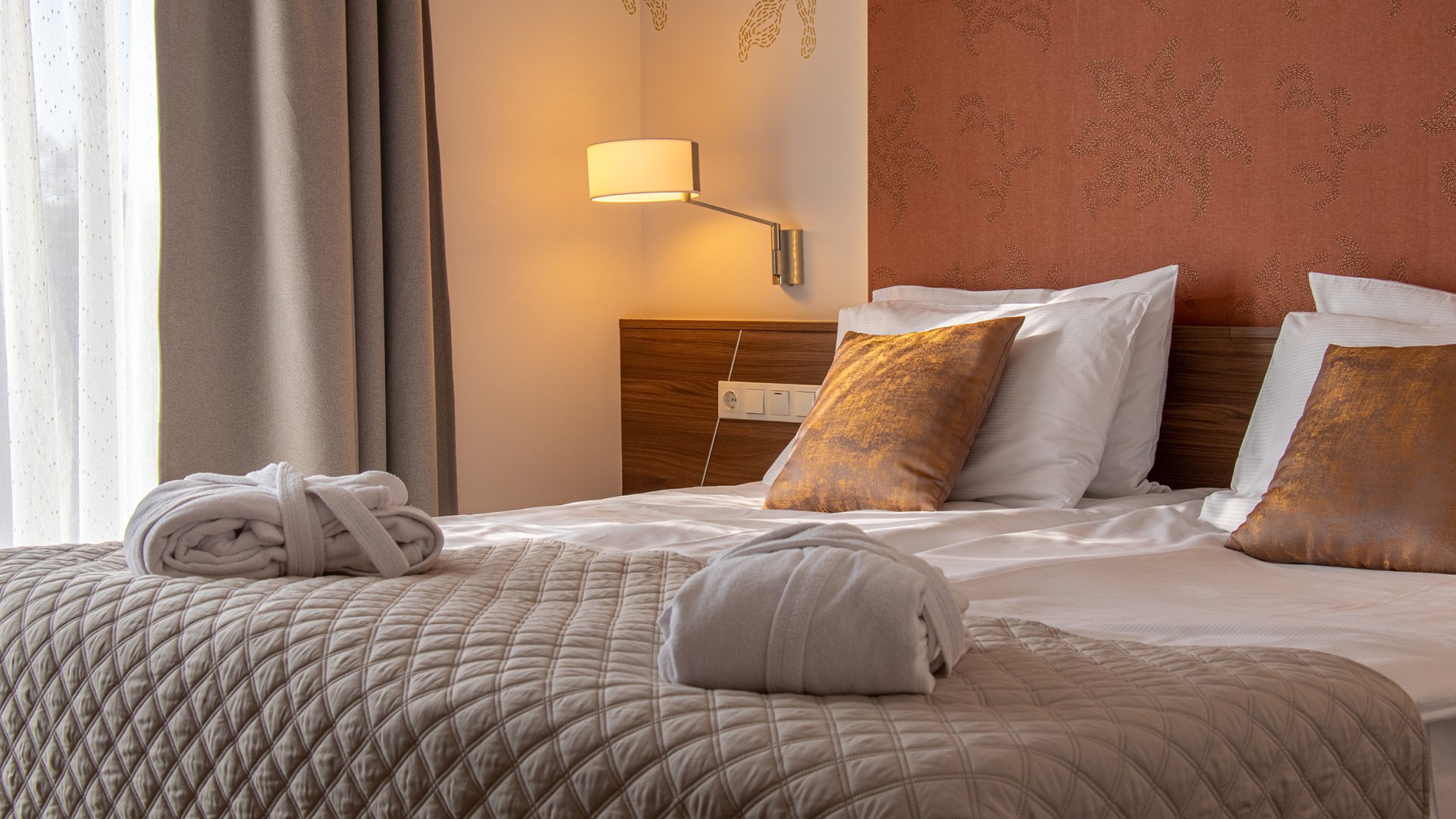
Several small factors can contribute to a more restful night:
- a quiet room that can be properly darkened;
- a comfortable bedroom temperature that is not too warm;
- a suitable mattress and pillow;
- natural daylight and movement during the day;
- less screen use before bedtime;
- more mindful choices around dinner and evening drinks;
- well timed wellness and sauna sessions;
- a calm and predictable evening routine.
Do we really sleep better in a hotel than at home?
There is no single answer that applies to everyone. A new environment can feel unfamiliar during the first night. The mattress may be different, subtle background noises may come from unexpected directions, and the layout of the room is unfamiliar, so sleep can initially feel lighter than usual. Once the body begins to adjust, however, several factors may create more favourable conditions than those found during an average weekday at home.
One of the most important differences can be the reduction in mental load. In a hotel, there is no need to clean the kitchen after dinner, prepare household tasks for the next day or quickly finish a few chores before going to bed. If the following morning is also free from a strict schedule, the evening can come to a much more gradual close.
For this reason, it is not necessarily the hotel bed itself that makes a night more restful. In many cases, the structure of the entire day changes. There are fewer compulsory tasks, while more time can be devoted to meals, movement, wellness or simply not having to think continuously about what comes next.
How much difference do quiet surroundings and proper darkness make?
The bedroom environment can have a significant influence on the quality of the night. Continuous or unexpected sounds may disturb sleep even if there is no clear memory of waking up. Light is similarly important, as darkness is one of the natural signals the body uses to recognise that the resting period is approaching.
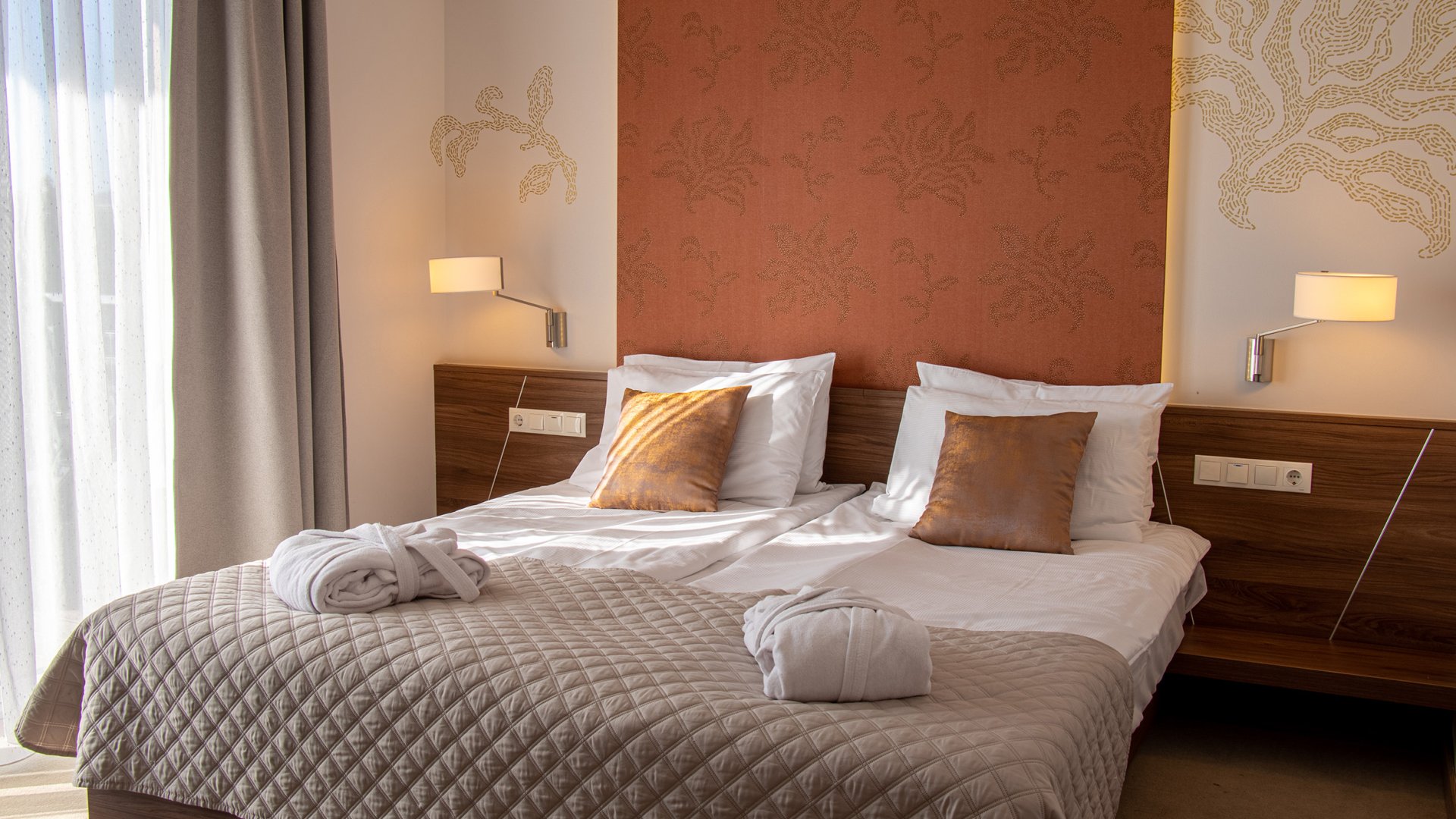
This is why it can be an advantage when a hotel room can be properly darkened and the night time environment remains calm. The adult friendly concept of Imola Hotel Platán also fits naturally with a quieter type of getaway, where peace and relaxation are central elements of the overall experience.
It is worth paying attention to darkness even when outside lights do not seem particularly disturbing. Street lighting, light entering from a corridor or even a brightly illuminated electronic device can change the atmosphere of the room. A darker setting creates a much clearer distinction between the active part of the day and the night.
Why does room temperature matter so much?
The ideal bedroom temperature varies from person to person, but a very warm room is generally not the most comfortable environment for sleep. A slight drop in body temperature is part of the body’s natural evening processes, which means that an overheated room can feel less comfortable than a slightly cooler sleeping space.
This can be particularly noticeable in autumn. After a walk or outdoor programme, arriving in a warm environment may feel very pleasant, but there is no need to keep the bedroom at the same temperature throughout the night. A short period of ventilation before bedtime can help, followed by a room setting that feels comfortable under the duvet without becoming overly warm.
Comfort, of course, cannot be reduced to a single number. The thickness of the bedding, individual temperature preferences, sleepwear and the amount of time spent in a warm wellness environment earlier in the day can all make a difference. The aim is not to create a cold room, but to avoid waking during the night because the environment feels too warm.
What role do the mattress and pillow play?
The bed naturally affects comfort, although here too there is no single solution that suits everyone. Some people prefer a firmer sleeping surface, while others feel more comfortable on a softer or more responsive mattress. The same applies to pillows, as the ideal height depends partly on sleeping position and individual habits.
This is why even a high quality hotel bed may feel unfamiliar on the first night. The body may have spent years adapting to the mattress at home, so a different sleeping surface can require a short period of adjustment.
It can therefore be useful to check the bed shortly after arrival rather than waiting until bedtime. A few minutes may be enough to notice whether the pillow height feels comfortable or whether an adjustment would help. Small comfort issues are far easier to address in the evening than in the middle of the night after they have already interrupted sleep.
How does the daytime routine influence sleep at night?
Preparing for a good night’s sleep actually begins in the morning. Natural light, movement and daytime activity all contribute to the daily rhythm that later helps separate wakefulness from rest.
A hotel weekend can therefore be relaxing even if it does not consist entirely of lying down and spending time in the wellness area. A comfortable walk through Eger’s historic centre, a few hours of sightseeing or a gentle outdoor programme can provide movement and daylight without becoming physically exhausting.
In autumn, it can be especially useful to make the most of the lighter hours in the morning and early afternoon. The second half of the day can then gradually become calmer. In this way, activity and recovery do not compete with one another but instead complement each other within the natural rhythm of the day.
Spending the entire day completely inactive may sometimes have the opposite effect to what is expected. If there is very little movement and much of the day is spent lying down, sleepiness may not arrive as naturally in the evening. A restful break does not necessarily have to mean complete inactivity.
Why is it worth reducing screen time before going to bed?
Phones, laptops and televisions can extend the active part of the day in several ways. They provide light, but they also continuously introduce new information. One short message can easily become a longer conversation, while a quick check of the news can lead to another article, another notification and another piece of content.
There is no need to remove every device from the room. A more realistic approach is to create a short period before bedtime when active browsing stops. An evening shower, a few pages of a book or a quiet conversation can provide a much more gradual transition towards sleep.
A hotel stay offers a good opportunity for this because there are fewer everyday responsibilities competing for attention. If there is no work, shopping or preparation for the next day after dinner, it becomes easier to put the phone aside earlier as well.
Reducing notifications can also help. Vibrations and illuminated screens during the night may disturb rest even if they do not lead to a complete awakening.
How can dinner and alcohol affect the night?
A longer dinner can naturally be part of a hotel break, especially in a gastronomic setting such as BORÁG Restaurant. From the perspective of sleep, however, it matters not only what is served, but also when and how much is eaten.
A very large meal immediately before bedtime can feel uncomfortable for some people. It is therefore worth leaving some time between dinner and sleep, especially when the evening includes several courses.
Alcohol deserves similar attention. A glass of wine may make falling asleep seem easier, but larger amounts can reduce the quality of the later stages of sleep and may lead to more frequent waking or a less settled night. At a gastronomic dinner, moderation can therefore support not only the appreciation of the flavours but also greater comfort later in the evening.
Late caffeine intake is also worth considering. Individual sensitivity varies considerably, so anyone who already knows that coffee in the late afternoon or evening interferes with sleep may prefer to keep the same personal limits during a hotel stay.
Can wellness and sauna help with winding down in the evening?
One of the main benefits of wellness during a short break is that it creates a clear separation between the more active and quieter parts of the day. After a morning spent sightseeing, the pool or sauna can already signal that a different pace is beginning.
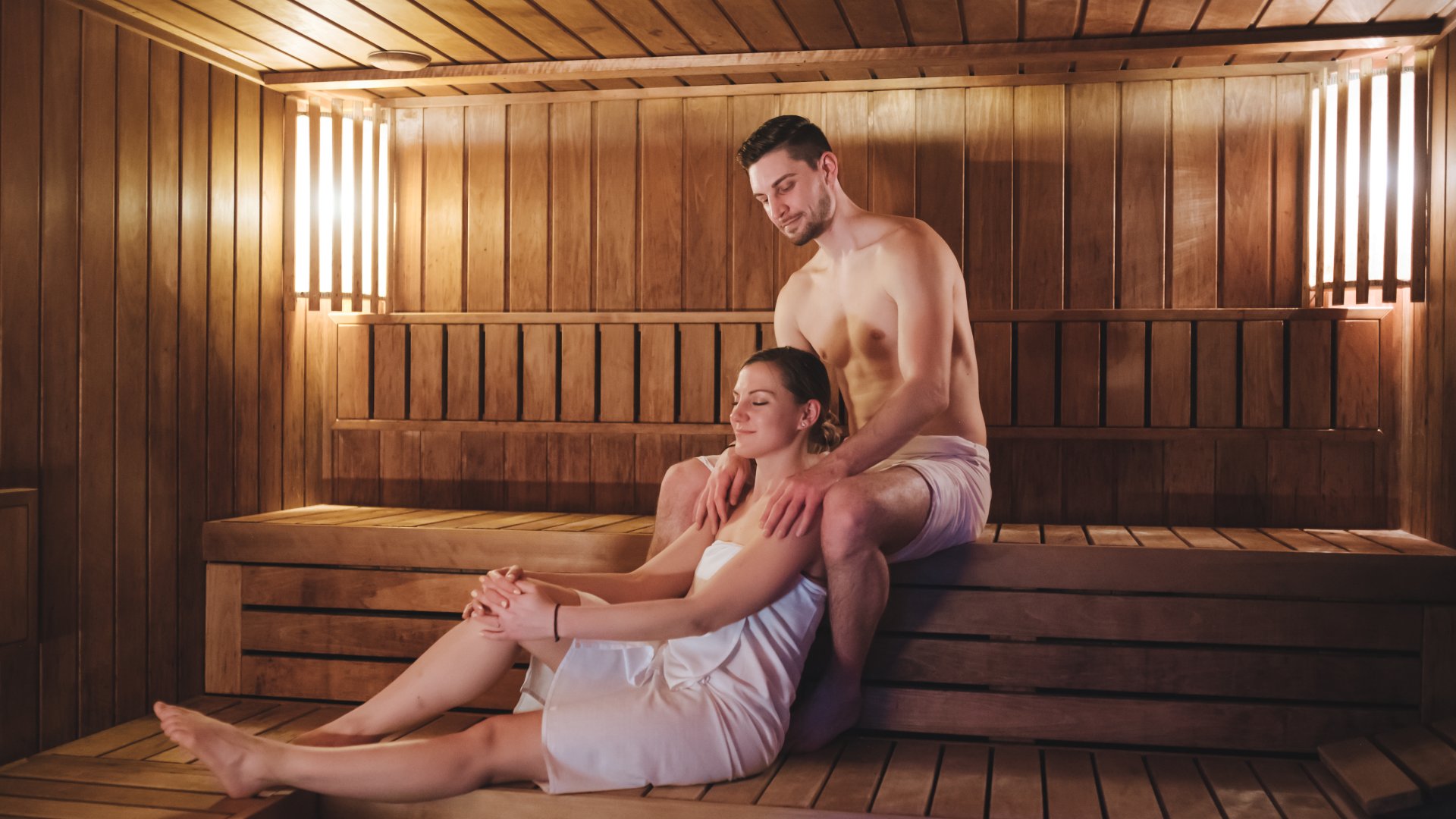
Warm water and sauna sessions can feel deeply relaxing for many people, although timing and moderation are still important. There is no need to schedule an intensive sauna programme immediately before bedtime. It can be more comfortable to leave enough time afterwards for hydration, rest, dinner or a calm evening.
The wellness area at Imola Hotel Platán can therefore fit naturally into a daily rhythm where the morning is more active and the afternoon gradually becomes quieter. The goal is not to fit as many wellness experiences as possible into a few hours, but to leave enough time between the different stages.
Hydration is particularly important because fluid is lost during sauna use. From the perspective of evening comfort, it is usually better to replace fluids gradually rather than drinking a large amount immediately before going to bed.
Why can a simple evening routine help even when sleeping away from home?
Repeated evening habits can make the end of the day more predictable. There is no need for an elaborate ritual. A shower, comfortable nightwear, softer lighting, a few pages of reading and putting the phone aside can already create a sequence that clearly differs from the more active part of the day.
When travelling, it can be useful to keep a few familiar habits from home. If reading before bed is part of the usual routine, there is no particular reason to abandon it in a hotel. The same can apply to the usual bedtime or an evening tea. Familiar elements can help an unfamiliar room feel comfortable more quickly.
This does not mean that every evening has to follow a strict timetable. One of the advantages of a restful weekend is having more flexibility, while the basic rhythm of the day can still remain relatively familiar.
How can a day in Eger be organised to support a more restful night?
A balanced day does not require a long list of activities. The morning can begin in natural daylight, followed by an unhurried breakfast and a walk towards Eger’s historic centre. One carefully chosen attraction can provide enough movement and stimulation to make the morning feel worthwhile without adding several more stops.
After lunch, a few less structured hours can follow instead of immediately searching for another museum or programme. Part of the afternoon can be spent in the wellness area, while enough time should remain after the sauna for rest and recovery.
In the evening, dinner at BORÁG Restaurant can become the final main event of the day. If there is no need to travel somewhere else afterwards, activity can decrease more naturally. A short walk, shower, quieter surroundings and less screen time can create a gradual transition between the day and the night.
This is one of the genuine advantages of a hotel break. It is not simply that there may be more time available for sleep. The hours leading up to bedtime can also unfold very differently. When the day is less crowded, the evening is not followed by another set of tasks, and the environment supports a calmer pace, more favourable conditions can be created for proper recovery.
What ultimately makes a night in a hotel truly restful?
Good sleep is rarely the result of a single factor. A comfortable mattress alone cannot guarantee it, just as complete silence or access to wellness facilities will not make everyone wake up equally refreshed. It is usually the combined effect of several smaller circumstances that matters.
Natural daylight during the day, gentle movement, appropriately timed meals, a comfortable room temperature, less screen use in the evening and a calmer period before bedtime can all support one another and create a more favourable environment for sleep.
A few days at Imola Hotel Platán can provide a good opportunity to experience this because many everyday distractions naturally move into the background. Eger can be explored at a comfortable pace during the day, the wellness and sauna areas can help create a calmer afternoon, and after dinner there is no need to search for another task or destination.
A hotel night may therefore become more restful not simply because the bed is different, but because the entire day leading up to it can be organised in a different way.
Frequently Asked Questions
What can help improve sleep in a hotel?
A quiet and dark environment, a comfortable room temperature, suitable bedding and a calm evening routine can all support a more comfortable night. Natural daylight and gentle movement during the day may also help maintain a familiar daily rhythm.
Is it a good idea to use the sauna immediately before bedtime?
It is generally better to schedule sauna sessions so that there is enough time afterwards for rest and hydration. An intensive sauna programme immediately before sleep may not be ideal for everyone, especially when the aim is to wind down gradually.
Why can the first night in an unfamiliar hotel room feel more difficult?
The body may need time to adapt to a new environment because the mattress, pillow, background sounds and room layout are different from those at home. Keeping familiar evening habits and creating a calm environment can make the adjustment easier.




.jpg)