
How to Slow Down in Autumn? 8 Small Habits That Can Make the Season More Restful
The arrival of autumn is not only marked by lower temperatures and changing colours in nature. The days become shorter, mornings stay darker for longer, evenings arrive earlier, and our usual daily rhythm can begin to shift as well. What felt completely natural in July, such as a long evening walk or an outdoor programme that lasts until late, may require much more energy in October. This is also the time of year when many people begin to feel a stronger need for more sleep, warmth, quieter evenings and activities that are followed by rest rather than another round of stimulation.
Everyday life, however, rarely adjusts to the season automatically. Working hours do not become shorter just because darkness falls earlier, messages continue to arrive, and daily responsibilities fill the calendar just as easily as they do in summer. This is why feeling more rested in autumn often depends less on how much free time is available and more on how that time is used.
Everyday life, however, rarely adjusts to the season automatically. Working hours do not become shorter just because darkness falls earlier, messages continue to arrive, and daily responsibilities fill the calendar just as easily as they do in summer. This is why feeling more rested in autumn often depends less on how much free time is available and more on how that time is used.
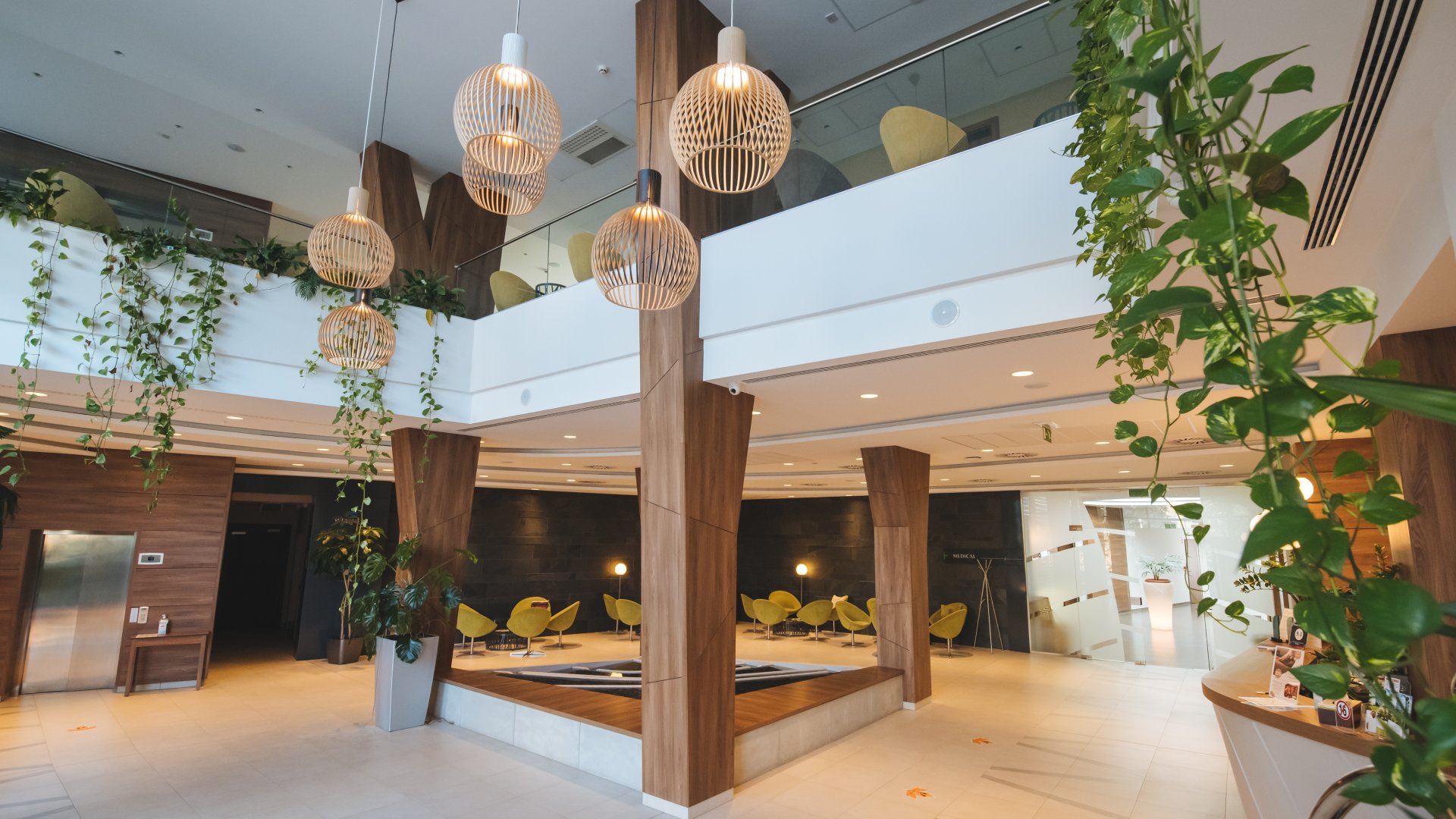
Our internal body clock is influenced by several factors, including light, physical activity, meal timing and sleeping habits. When these become highly irregular, it can be more difficult to wind down in the evening, while mornings may feel slow even after a long night of sleep. A complete lifestyle change is not necessary, however. A few small habits practised consistently can make a noticeable difference.
The following eight areas can be a useful starting point for anyone who would like to experience the change of season not as another challenge to manage, but as an opportunity to adopt a calmer rhythm.
- Keep sleeping and waking times more consistent.
- Make better use of natural morning light.
- Leave room for gentle outdoor movement every day.
- Create periods when digital devices move into the background.
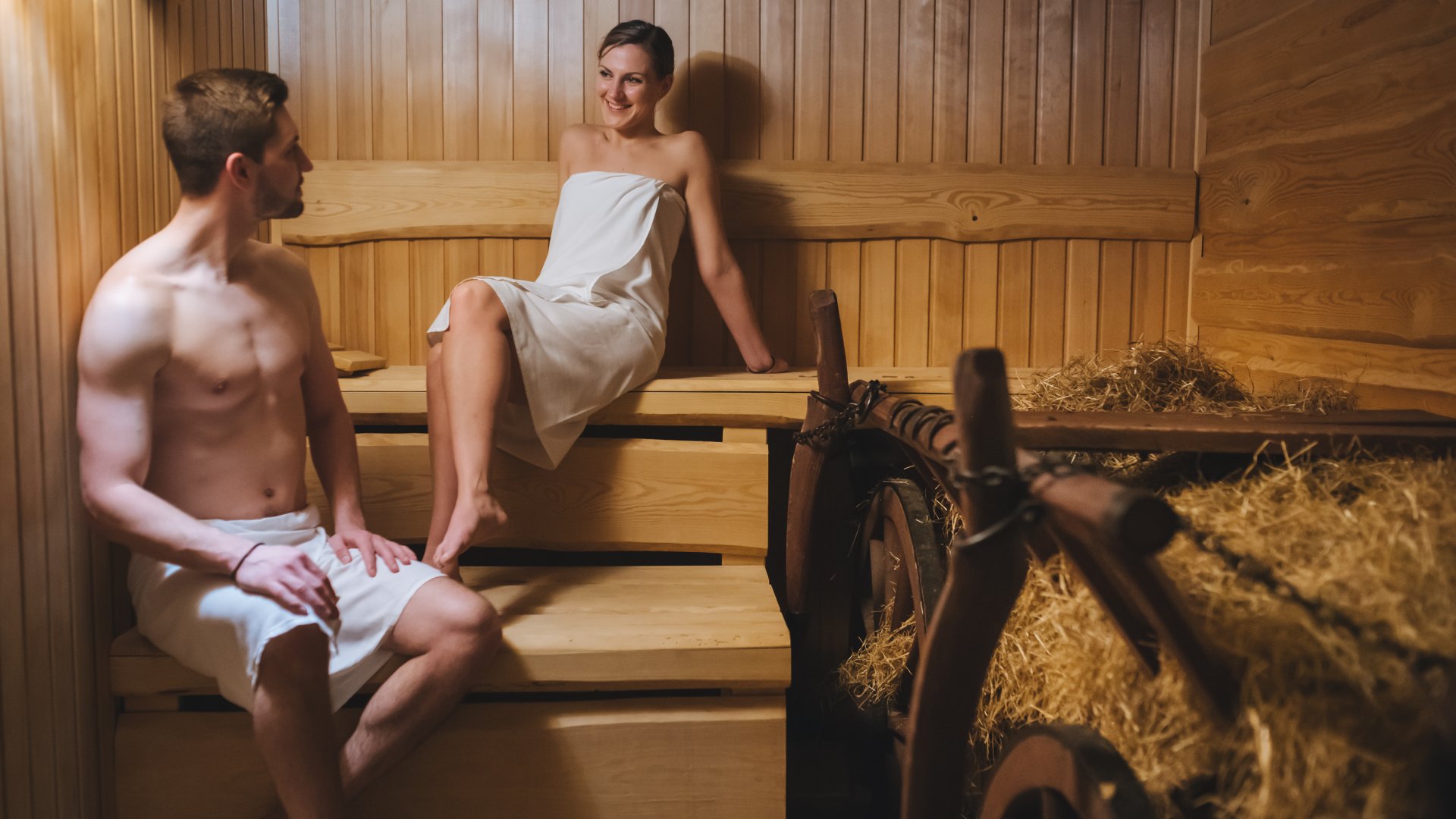
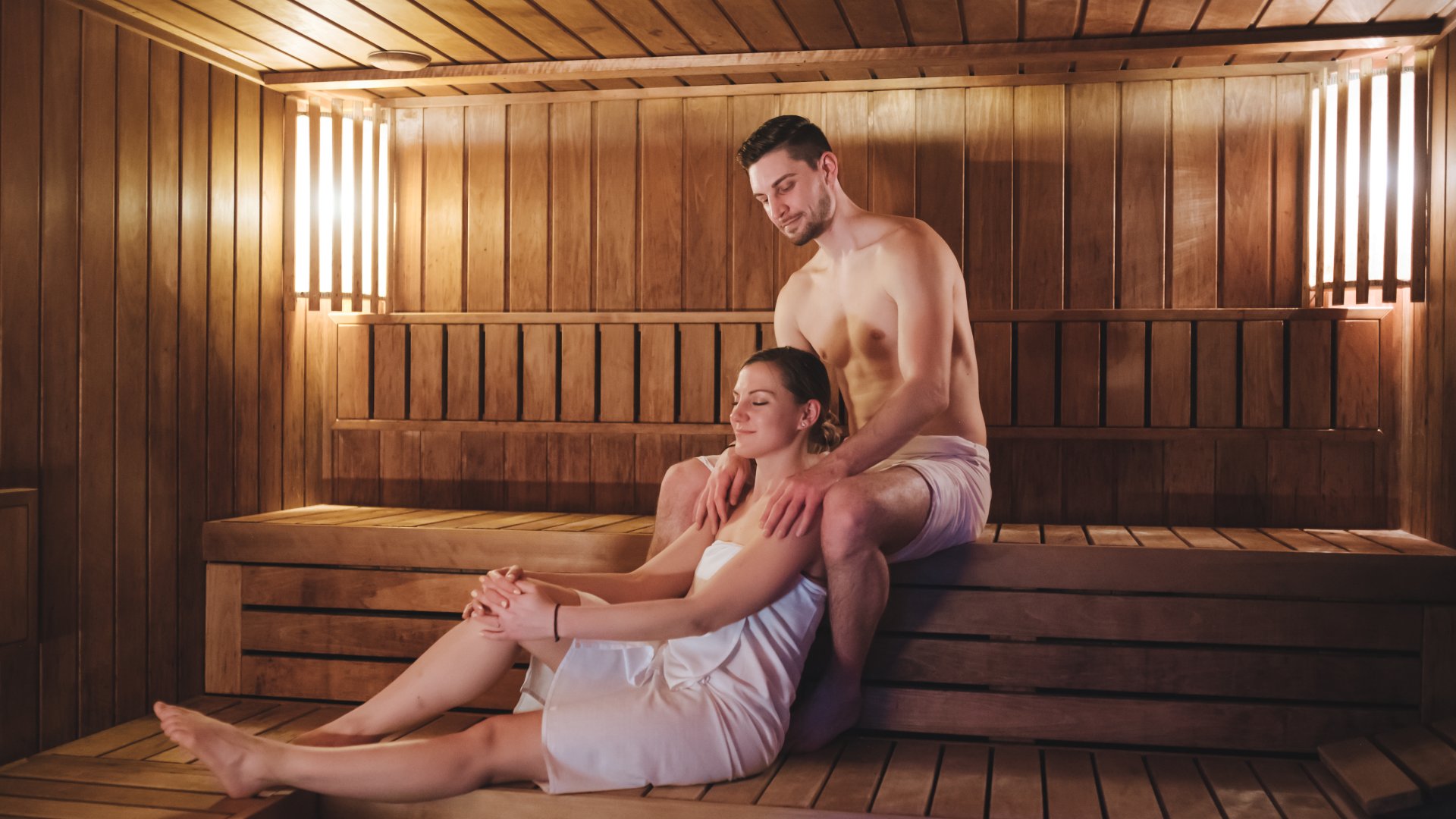
- Allow enough time for warm water, sauna sessions and the rest that follows.
- Try not to treat meals as short breaks squeezed between other tasks.
- Leave some space in the calendar for hours without a fixed programme.
- Create a simple evening routine that gradually leads into sleep.
Why is it worth paying more attention to regular sleep in autumn?
The alternation between light and darkness is an important signal for the body. During autumn, however, the difference between the natural cycle of daylight and the artificially extended day becomes more noticeable. Many people wake while it is still dark, then remain active for hours in the evening under artificial lighting, using phones, televisions and computers much as they would during the summer months.
This makes consistency in sleeping and waking times especially valuable. Sleeping longer at the weekend may of course feel pleasant, but if Saturday and Sunday follow a completely different schedule, Monday morning may require another major adjustment.
It can therefore be useful to pay attention not only to the number of hours spent asleep, but also to regularity. During a quieter weekend, recharging does not necessarily mean staying in bed until noon. Waking at a time relatively close to the usual routine and then enjoying a slower morning can often feel more comfortable.
A hotel breakfast offers an ideal opportunity for this. Waking is not immediately followed by commuting or rushing to work. Instead, there is time for a longer breakfast, coffee or tea, followed perhaps by a walk. The morning can remain structured while still feeling very different from an ordinary weekday.
How much difference can natural light make during the darker months?
Morning and daytime light plays an important role in signalling the beginning of the day to the body. This does not mean that going outside is only worthwhile in bright sunshine. Even the natural light of a cloudy autumn morning is very different from spending the first half of the day entirely indoors under artificial lighting.
For this reason, it can be useful to make more conscious use of the daylight hours. A short walk, enjoying a coffee outside after breakfast or simply completing a few errands on foot can provide considerably more exposure to natural light than staying indoors throughout the morning.
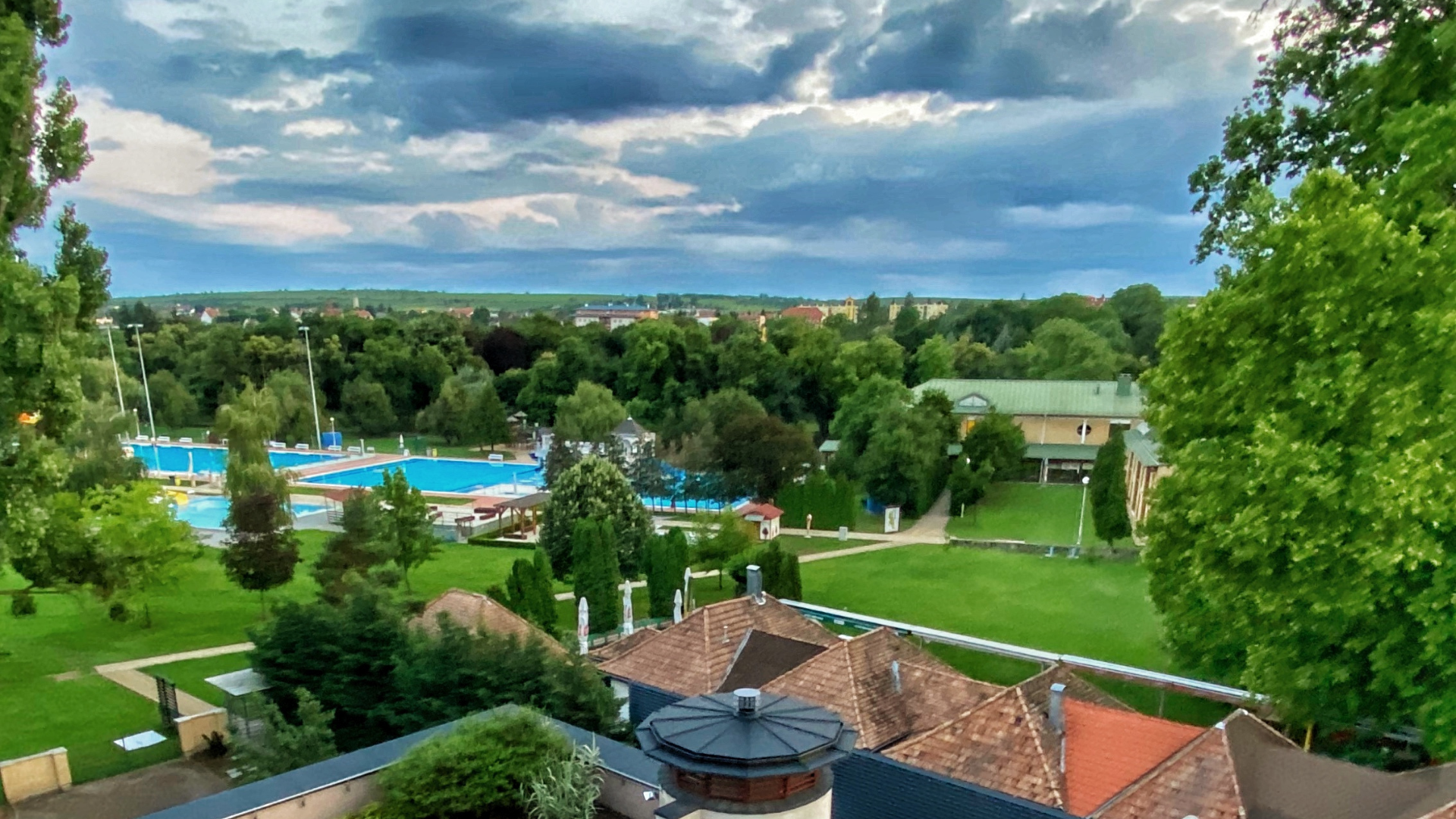
Eger is particularly convenient in this respect because its historic centre can be explored within a relatively compact area. There is no need for a long hike or demanding physical activity. Dobó Square, the area around the castle, the old streets and Érsekkert can all easily become part of a relaxing day.
Autumn weather is naturally more changeable, so spending several hours outdoors will not always be appealing. Even so, it is worth making use of the brighter part of the day before returning later to a warmer and quieter environment.
Why can gentle movement also be part of proper relaxation?
Rest is often associated with complete inactivity, yet movement at a comfortable intensity can also contribute to feeling more refreshed. There is no need to think in terms of exercise sessions or demanding hikes. A relaxed walk can be enough to break up long periods of sitting and introduce a welcome change into the day.
The goal is not the number of kilometres covered. What matters more is having a period when attention moves away from screens, tasks and constant information. Thirty or forty minutes of walking can provide a very different form of mental break from spending the same amount of time scrolling through social media.
While travelling, it can therefore be worth avoiding the car for every short distance. If the hotel and the city centre are comfortably within walking distance, the journey there and back can become part of the day itself. There is no need to plan a dedicated hiking route simply to make room for movement.
After spending some time outdoors, arriving at the wellness area can also feel different. The contrast between fresh air and a warm indoor environment suits the autumn months particularly well.
How can digital overload be reduced without completely switching off the phone?
For most people, giving up digital devices entirely is neither realistic nor necessary. A phone can be a map, camera, communication tool and, in many cases, a work device as well. The difficulty begins when every short pause automatically turns into screen time.
If there is no period during the day when new information stops arriving, creating a genuine mental break becomes difficult. A more practical approach is to connect digital quiet to specific situations. The first half hour after waking, a walk, time spent in the wellness area or dinner can all become periods when the phone is only used if genuinely necessary.
This can be easier to maintain than trying to avoid technology for an entire day. There is no need to keep deciding whether using the phone is allowed. Instead, a few specific situations simply become less closely associated with screens.
A relaxing weekend is a good opportunity to try this. Leaving the phone away from the breakfast table and keeping it in the room during a wellness session already creates several longer periods without constant interruption, without requiring a complete digital detox.
Why do warm water and sauna feel especially pleasant in autumn?
As temperatures fall, the contrast between outdoor and indoor environments becomes much more noticeable. After a walk in cool air, warm water or a sauna can feel particularly pleasant, but it is worth avoiding the temptation to treat them as another item to complete quickly.
Rest between sauna sessions and adequate hydration are an important part of the experience. When every minute of the day is already allocated, these pauses are often the first thing to be shortened, even though they provide an opportunity for the body to gradually return to a calmer state.
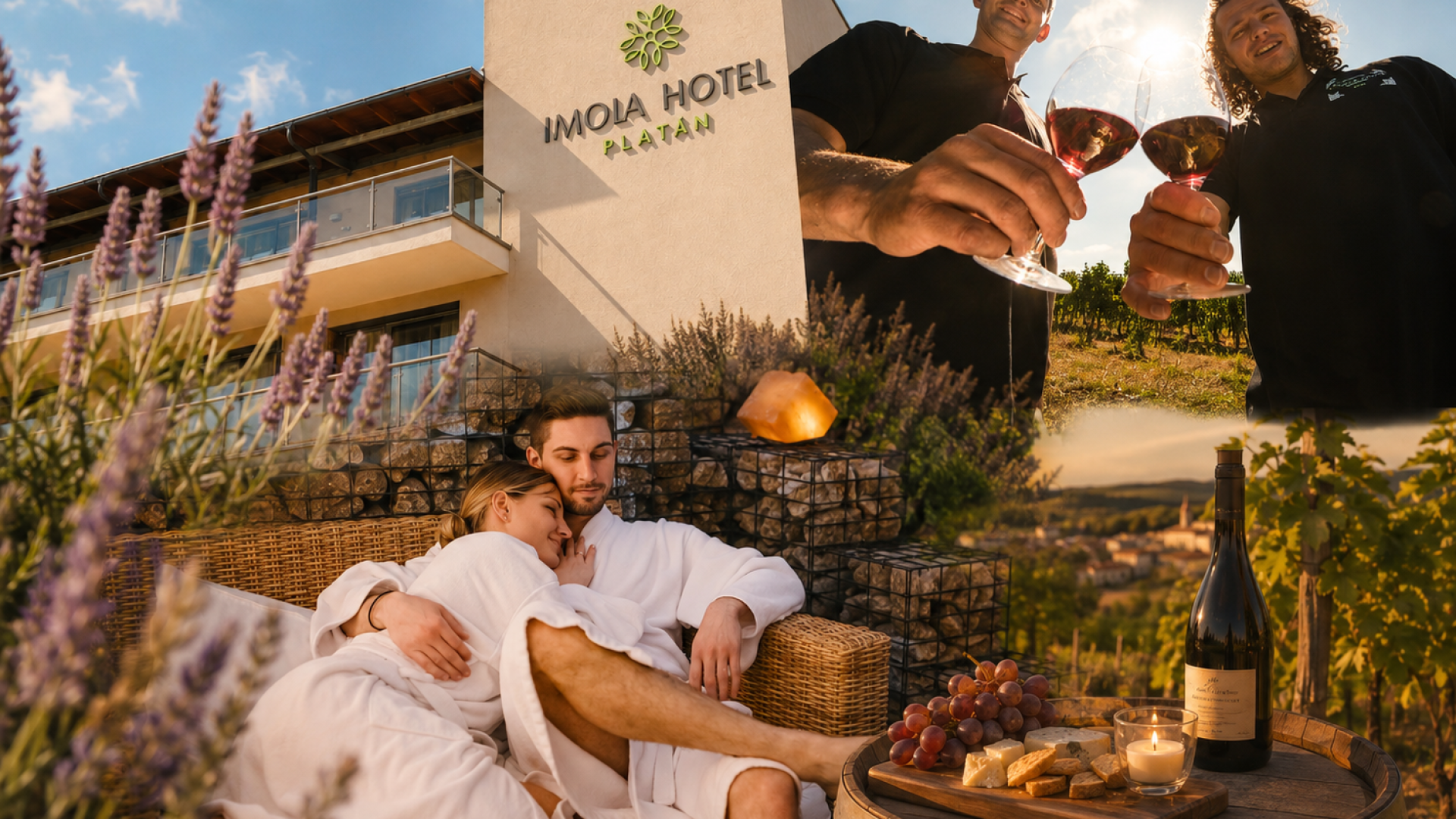
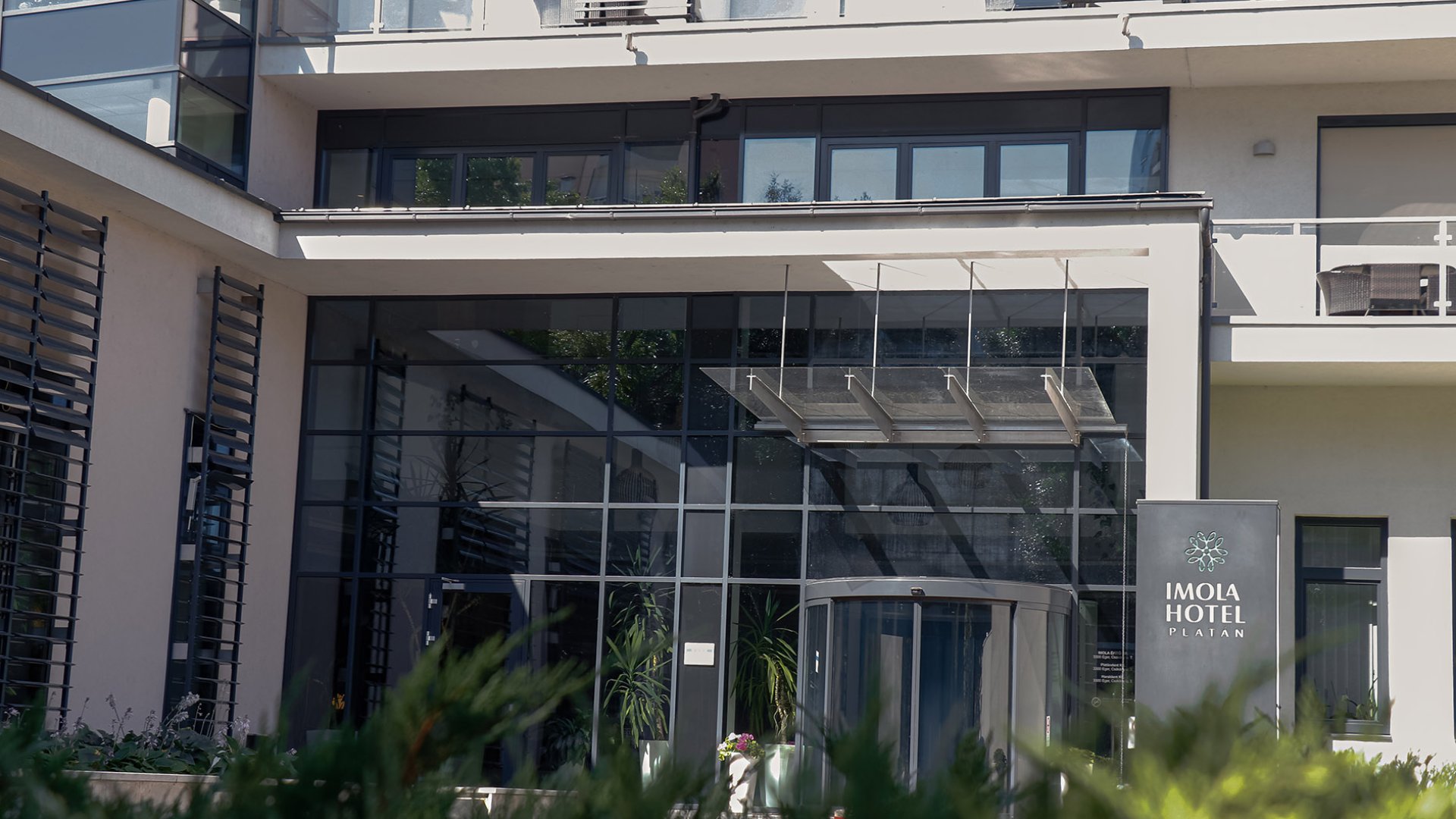
The wellness and sauna area at Imola Hotel Platán can therefore offer the most relaxing experience when there is no tightly scheduled programme immediately afterwards. Following a morning walk in Eger, for example, it may be more enjoyable to leave the whole afternoon open for the pool, sauna and the quieter periods in between.
It is also important to adjust heat exposure to individual comfort levels and to follow general sauna guidelines. A longer or hotter session does not automatically provide a better experience, particularly when the main aim is relaxation and recovery.
Why does the way we eat matter as well?
A calmer rhythm can make a difference at mealtimes too. During weekdays, breakfast may be finished in a few minutes, lunch may happen while working, and dinner may be delayed until late in the evening. In these situations, eating often becomes a necessary interruption rather than a meaningful part of the day.
A free weekend offers an opportunity to organise meals differently. This does not mean that every meal has to last for hours. It is enough to make sure that at least once during the day there is time to sit down properly and pay attention to what is being served.
A slower pace can feel particularly pleasant at dinner. When there is no further programme afterwards, there is more time between courses, conversation can continue naturally, and a glass of wine can be enjoyed without watching the clock. The seasonal approach of BORÁG Restaurant fits naturally into this idea, as autumn ingredients and wines from Eger can easily make dinner the central experience of the evening.
Such a meal is not relaxing simply because it takes longer. The difference comes from not having to hurry somewhere else afterwards, which makes the experience very different from an ordinary weekday dinner.
Why is it sometimes worth deliberately leaving the calendar empty?
One of the strange contradictions of free time is how easily it can be organised according to the same logic as work. If two days are available, it often seems sensible to fit in as many experiences as possible so that nothing important is missed.
Too many fixed plans, however, create continuous pressure around decisions and timing. It becomes necessary to think about departure times, how long can be spent at each place, when to move on, where to park and when the next programme begins. At a certain point, relaxation can start to feel more like a logistical exercise.
This is why it can be useful to leave at least one longer period during a weekend without any specific plan. It might be two hours in the afternoon or an entire morning. Only at the time does it need to be decided whether a walk, reading, wellness, coffee or simply resting would feel best.
This works particularly well in a city where several possibilities are close to one another. In Eger, every hour does not need to be planned days in advance for the visit to feel worthwhile. The castle, historic centre, cafés, thermal bathing and wine programmes can be chosen according to the weather, energy levels and mood on the day.
How can evenings become calmer before bedtime?
The end of the day is often just as abrupt as the beginning. Work, messages, streaming or phone use continue until suddenly it is time to sleep. The body, however, may respond better when there is a gradual transition between the active part of the day and bedtime.
This does not require a complicated evening routine. It may be enough for the final part of the day to follow a broadly similar pattern. A warm shower, reading, quieter surroundings, lower light levels and reduced screen use can all become signals that the day is coming to an end.
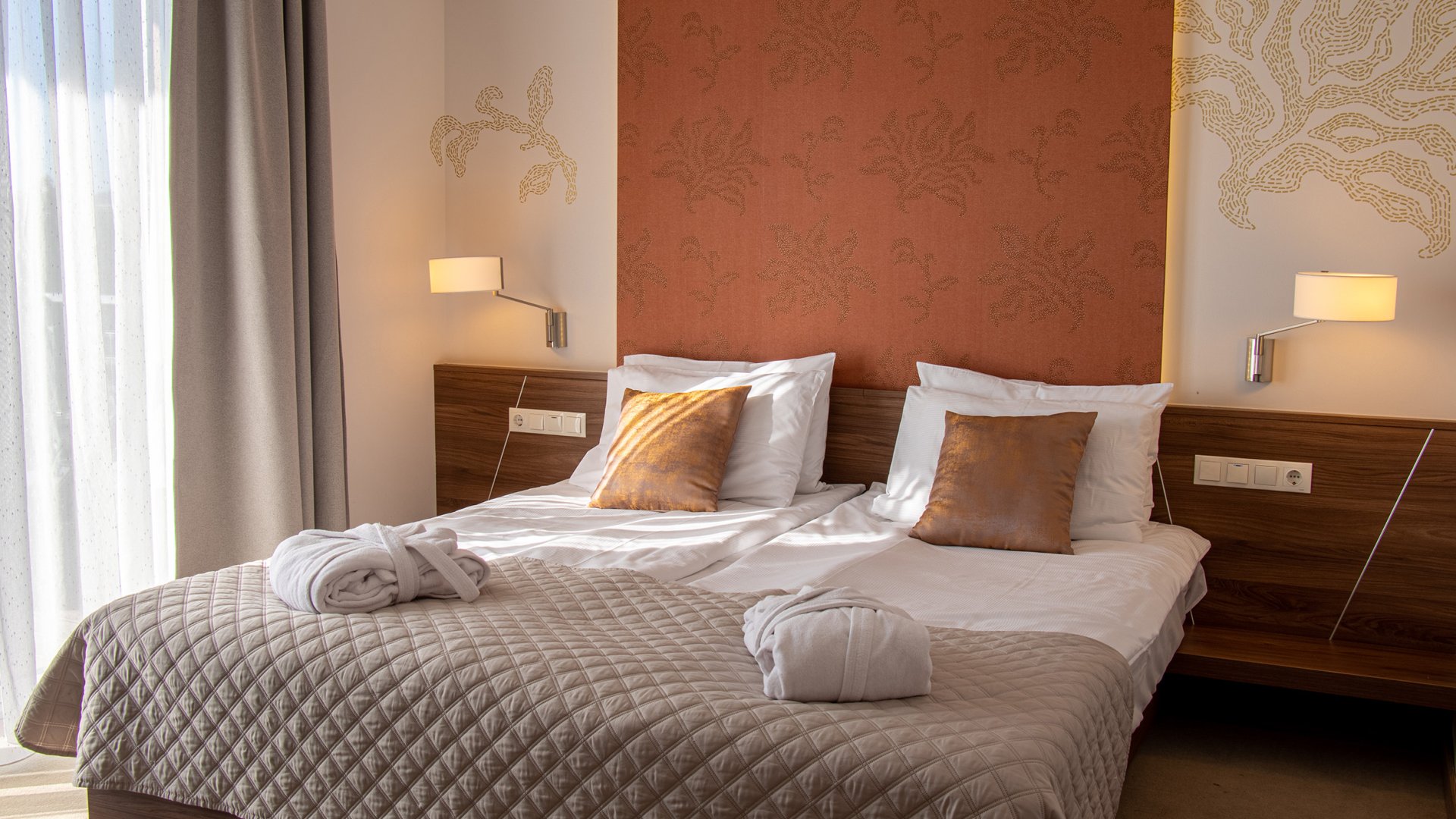
This is often easier in a hotel environment because there are fewer household responsibilities waiting in the evening. After an afternoon spent in the sauna and at dinner, there is no grocery shopping, washing up or preparation for the next working day. This can leave more room for a gradual transition towards sleep.
It is still worth avoiding excessive planning during the final hours of the day. If several activities are packed into the evening, the same sense of rushing may return that the break was originally meant to reduce.
How can all of this fit into a few relaxing days in Eger?
A calmer rhythm does not mean spending the entire day in a hotel room. It is more about allowing active and quieter periods to alternate, rather than letting one completely replace the other.
A day might begin with an unhurried breakfast, followed by a walk through the historic centre in natural daylight. One selected attraction can easily fit into the morning without adding three more immediately afterwards. After lunch, a few unscheduled hours can remain free, followed later by wellness and sauna time.
In the evening, dinner at BORÁG can become the final main programme of the day, with no need to travel to another location afterwards. The next morning can follow the same principles while still feeling completely different, perhaps with a longer walk in Eger, thermal bathing or a wine tasting.
This kind of break works not because very little happens, but because there is enough time between individual experiences to adjust and recover. New places, information and decisions do not follow one another continuously, which makes it less likely that the end of the holiday will feel as rushed as everyday life.
What can make autumn genuinely more restful?
Shorter days and cooler weather do not necessarily have to be treated as something to resist. It can be more useful to adjust daily habits so they fit the natural changes of the season more comfortably. More consistent sleep, natural light during the first part of the day, gentle movement, more conscious screen use and calmer evenings can together make a greater difference than a single wellness day.
Feeling restored is rarely the result of one major experience. It is usually built from a series of small decisions. Not reaching for the phone immediately after waking, taking time for a short walk, leaving enough rest between sauna sessions or allowing dinner to occupy the evening without needing another programme afterwards can all contribute.
A few days at Imola Hotel Platán can provide the right setting to experiment with these habits, but most of them can also be taken back into everyday life. This may be one of the most valuable aspects of an autumn break: it can provide not only a few calmer days, but also practical ideas for creating a more balanced rhythm throughout the rest of the season.
Frequently Asked Questions
Why might we feel a greater need for rest in autumn?
Shorter days, changes in natural light and earlier darkness can influence daily rhythms. During this period, regular sleep, time outdoors during daylight hours and a gradual transition into the evening can become especially valuable.
Which simple habits can support relaxation in autumn?
It can help to maintain a more consistent sleep schedule, spend time in natural daylight, walk regularly, reduce unnecessary screen use and leave enough time for wellness, meals and periods without fixed plans.
How should a relaxing autumn weekend in Eger be planned?
Instead of filling the schedule with too many activities, it is better to choose only a few main experiences each day. A morning walk or sightseeing programme can be combined with afternoon wellness and sauna time, followed by a relaxed dinner in the evening.
.jpg)